A-Z Members
Below is a list of faculty associated with the Feinberg Cardiovascular & Renal Research Institute. View individual profiles of our faculty members — with publication and contact information, research and clinical specialties and more — via the profiles below. Learn more about our leadership and connect with the FCVRRI staff via our About Us section.
Ansari, Mohammed Javeed I
Associate Professor of Medicine (Nephrology and Hypertension) and Surgery (Organ Transplantation)
Ardehali, Hossein
Professor of Medicine (Cardiology) and Pharmacology
Bio
Research interests: role of mitochondria and metabolism in cardiovascular disease; cellular iron regulation. Clinical interests: general and preventive cardiology.
Arora, Rishi
Professor of Medicine (Cardiology)
Batlle, Daniel
Professor of Medicine (Nephrology and Hypertension)
Bio
Daniel Batlle MD is the Earle, del Greco, Levin Professor of Medicine at Northwestern University. He has been a Professor of Medicine at Northwestern and past Division Chief for 18 years . His clinica... [more]
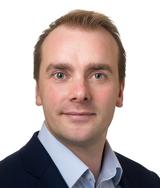
Burridge, Paul W
Associate Professor of Pharmacology
Bio
We use human induced pluripotent stem cells (hiPSCs) to understand the role of the genome in influencing drug efficacy and side effects as well as complex disease traits. We are also interested in plu... [more]
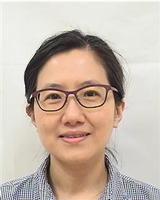
Chung, Eunah
Research Associate Professor of Medicine (Nephrology and Hypertension)
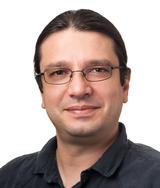
David, Nicolae Valentin
Associate Professor of Medicine (Nephrology and Hypertension)

Eren, Mesut
Research Associate Professor of Medicine (Cardiology)
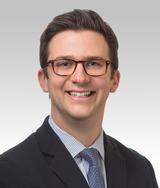
Feinstein, Matthew
Associate Professor of Medicine (Cardiology), Pathology and Preventive Medicine (Epidemiology)
Bio
Matthew Feinstein, MD MSc is a cardiologist at Northwestern Medicine and an assistant professor at the Northwestern University Feinberg School of Medicine with a dual appointment in the Department of ... [more]
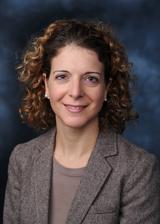
Finer, Gal
Assistant Professor of Pediatrics (Nephrology)
Bio
Dr. Gal Finer is a Board certified Pediatric Nephrologist, MD, PhD, clinician-scientist, and an Assistant Professor at Northwestern University Feinberg School of Medicine and The Ann and Robert H. Lur... [more]