Building a legacy of outstanding scholarship and discovery.
We seek to improve the quality of human life through creative basic and translational research in cardiovascular and renal disease.
The Feinberg Cardiovascular & Renal Research Institute (FCVRRI) focuses on a wide variety of complex problems at the forefront of cardiovascular and renal research. Our research and training efforts are focused on understanding cardiovascular and kidney disease, with the ultimate goal of improving health.
Our Centers
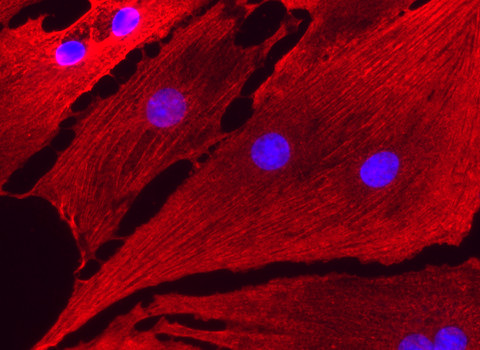
Center for Molecular Cardiology
Maintaining a collaborative, supportive environment for scientists and trainees to explore new avenues to treat cardiovascular disease.
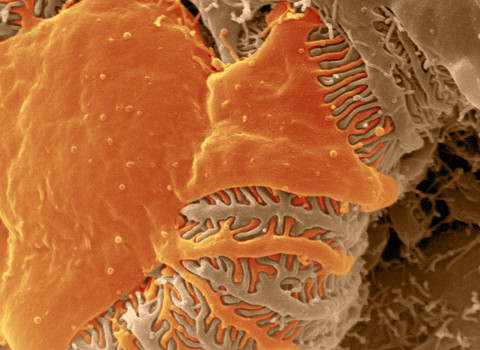
Center for Kidney Research & Therapeutics
Promoting and supporting innovative research in novel nephrotherapeutics to prevent and treat kidney disease.
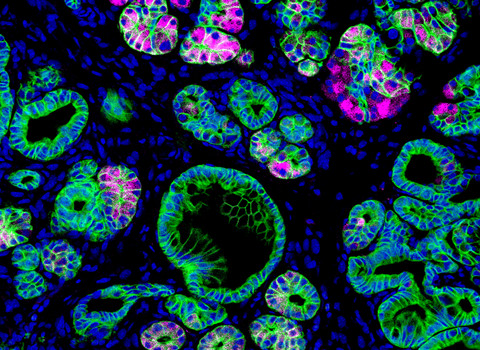
Center for Vascular & Developmental Biology
Creating a collaborative research community to improve quality of life through basic and translational research in vascular and developmental biology.
What We Do
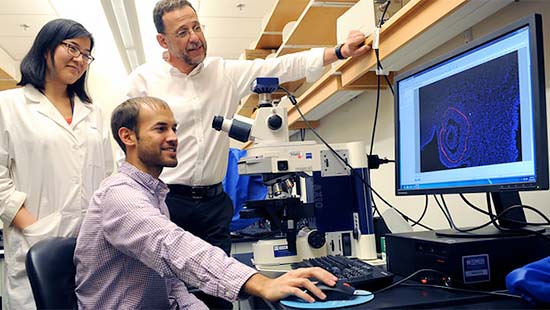
Education
Educating future generations of investigators and physician-scientists through courses, seminars and training programs.
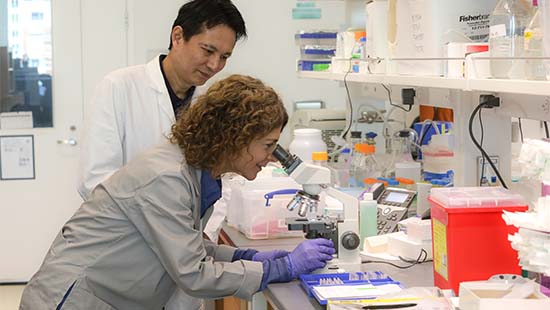
Research
Bridging basic and clinical sciences to translate our understanding of the cardiovascular system into new treatment options.
Members of FCVRRI provide clinical patient care through Feinberg-affiliated hospitals.Get care